Get in Touch with Masstech
Beverage Filling Machine Manufacturer —
Mass Technology · One-Step Bottling Line Solutions
Mass Technology is a collection of beverage filling machine manufacturers manufacturing complete bottles filling lines for water, carbonated soft drinks, juice, beer, wine and related packing categories in capital city-Jiangsu Zhang Jiagang from 2,000 bottles per hour craft scale running to 36,000 BPH industrial manufacturing as well. Name ten types of production line, a multi-liquid modular platform and a 2-year guarantee-with-24-hour engineering staff response and in five working days International spare parts.
From One Bottle to a Full Bottling Line — Why Procurement Teams Choose Mass
Choosing a beverage filling equipment producer is not a single-machine choice – it is a five-step process, going from the plant layout to a 10-year spare parts flow. Most purchasing groups realize this embarrassment of riches at the worst moment: a good single-machine source supplies a proven filling machine, but rinser, blower, capper, conveyor line, labelling machine and CIP circuit is from three or four different generic suppliers nobody has ever met. Integration troubleshooting pushes commissioning from a plan 30 days ahead of time to an unexpected 90+ days late, causing a detachment of ¼ of line schedule.
The underlying reason is structural:
A generic filling machine targets one class of liquid, one profile of bottle and one capacity. When actual projects include SKU proliferation—water and carbonates and juice and the odd wine line—single-product suppliers are unable to address the trade-off between large batch capability and capital efficiency absent a custom modular design. Industry purchasers are faced with this dilemma—platform engineering not shopping carts.
Mass Technology caters for all five stages under one Technology Roof:
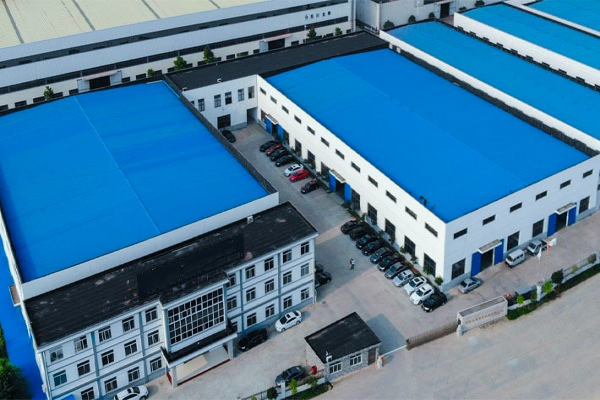
The plant layout design in advance of equipment purchasing, manufacturing at our Zhangjiagang premises on record of factory acceptance testing (FAT), shipping to your site and installing the equipment, operator training on the running production line, and after-sales servicing supported by a written 24 hours in-house engineer response time, plus a 5-working-day dispatch of spare parts by worldwide express courier.
Complete Product Portfolio — 10 Production Line Categories
Generic beverage filling equipment catalogs typically cover three to five product families. Mass Technology engineers and ships ten distinct production line categories from a single Zhangjiagang facility, with twenty-seven sub-category specializations published as dedicated solution pages.
L1 · Liquid Filling
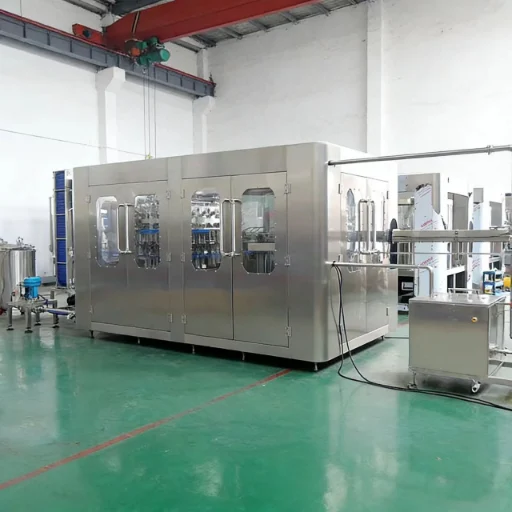
Water Filling Machine
PET water filling lines for mineral, purified and spring water – crafted for craft 2,000 BPH start-up’s up to 36,000 BPH industrial bottlers.
2,000–36,000 BPH · 200 mL–2 L
View Machine →
L1 · Carbonated
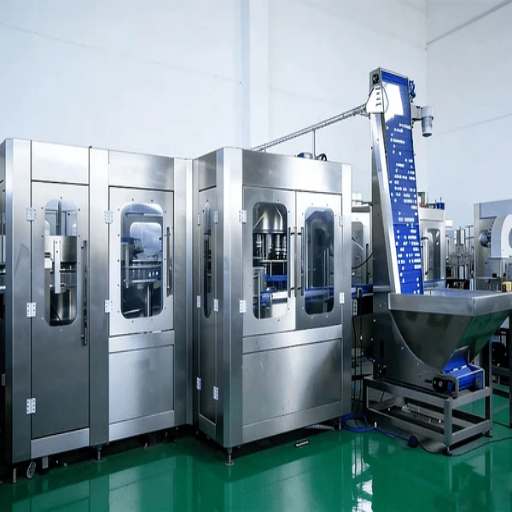
Carbonated Drink Filling Machine
Isobaric CSD filling lines for cola, energy drinks, sparkling water and tonic. Cold-fill design at 2-5 C with precision pressure control.
2,000–36,000 BPH · PET/Glass/Can
View Machine →
L1 · Hot-Fill
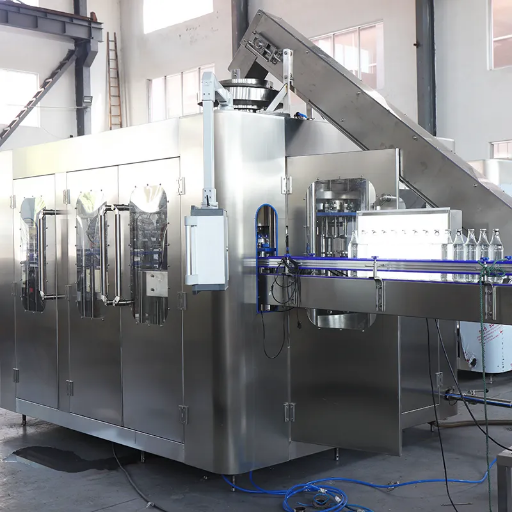
Juice Filling Machine
Hot-fill technology at 85-92 C for juice, fruit tea & vegetable protein beverages. SS buffer tanks, jacket heated fill heads.
2,000–24,000 BPH · PET/Glass
View Machine →
L1 · Brewery
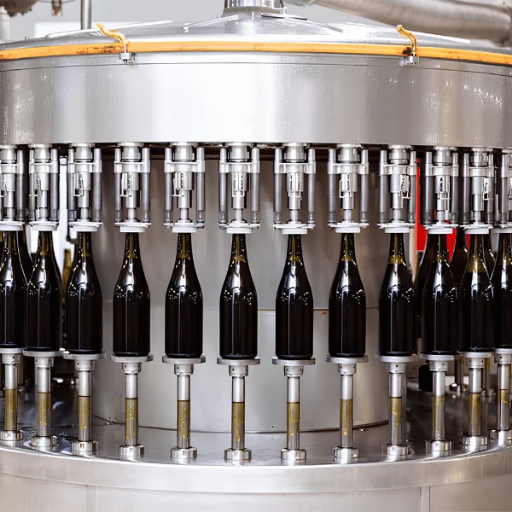
Beer Filling Machine
Glass bottle & aluminum can beer filling with counter-pressure fill nozzles, foam management, and oxygen-pickup control.
2,000–18,000 BPH · Glass/Can
View Machine →
L1 · Vinification
Wine Filling Machine
Gravity & vacuum wine filling for table wine, fortified wine & cocktails. Oxygen-limited fill nozzles preserve aroma.
1,000–12,000 BPH · 375mL–1.5L
View Machine →
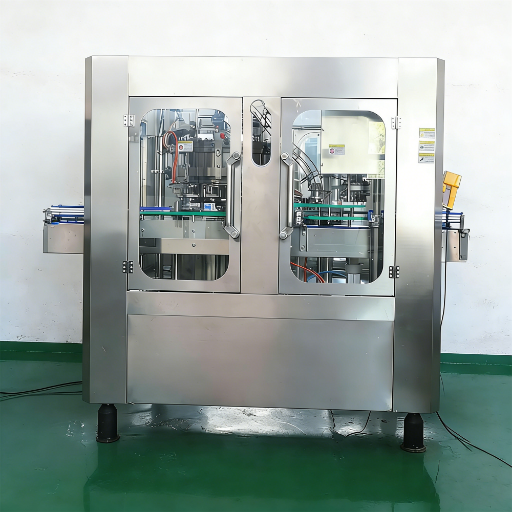
L1 · Can Lines
Can Filling Machine
Aluminum can filling & seaming for beer, soft drink, and RTD beverages. Isobaric filler and dual-stage seamer integrated.
3,000–24,000 CPH · 250–500mL
View Machine →
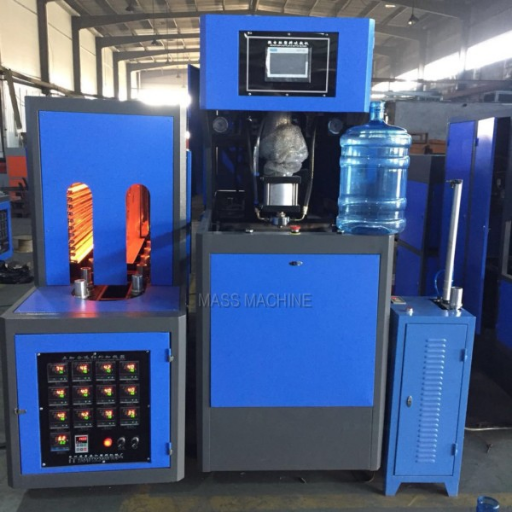
L1 · Container Forming
Bottle Blowing Machine
Two-stage PET stretch-blow molder from preform to finished bottle. Servo-driven stretching, multi-cavity mold sets.
2,000–24,000 BPH · 200mL–2L
View Machine →
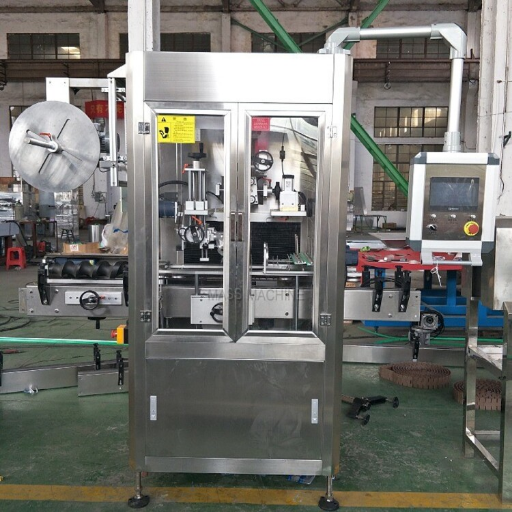
L1 · End of Line
Bottle Labeling Machine
Shrink sleeve for hull branding, OPP hot-melt for wrap-around, sticker for premium SKUs, and shrink film package.
Line-paced 2,000–36,000 BPH
View Machine →
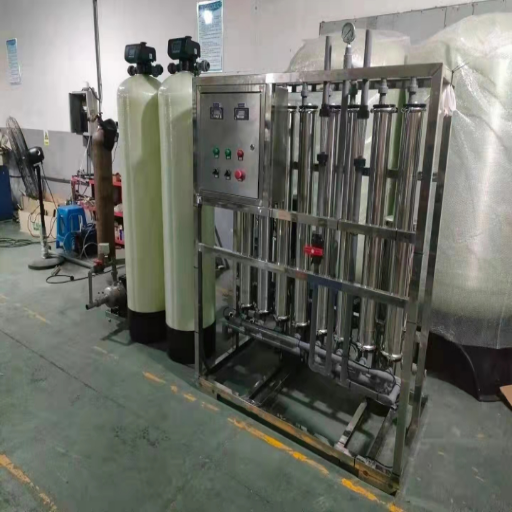
L1 · Upstream
Water Treatment System
Reverse osmosis and multi-stage water treatment upstream of any filling line. Capacity matched to filling throughput.
0.5–50 T/H feed water
View Machine →
L1 · Non-Beverage
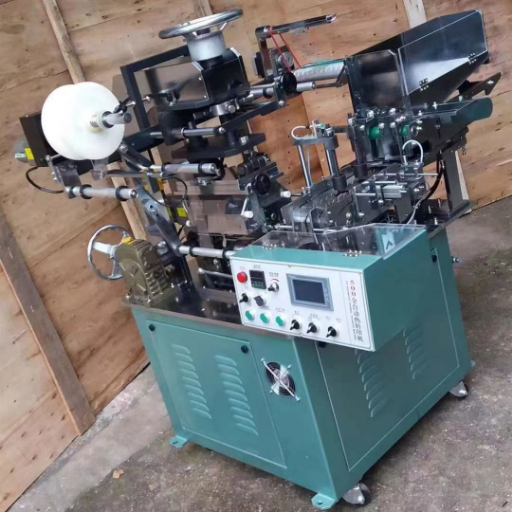
Pen Making Machine
In the same injection-molding platform: ballpoint and gel pen as well as plastic injection moulding for caps & preforms.
140–800 T injection clamping
View Machine →
Bottle Filling Systems
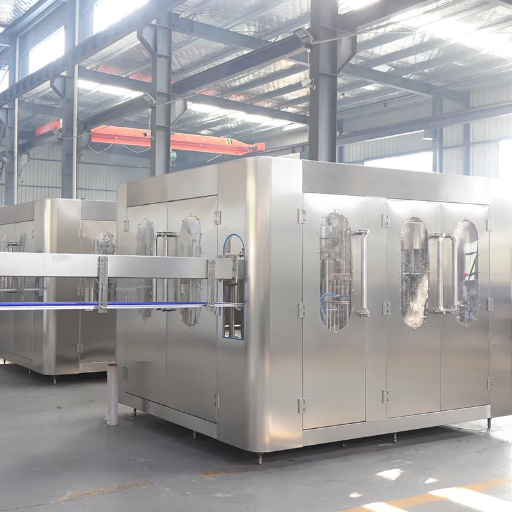
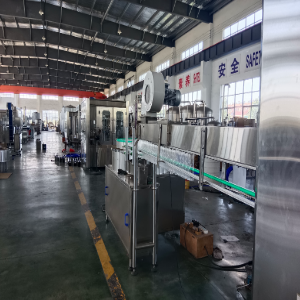
Behind the catalog sits a single engineering doctrine: every Mass liquid filling machine is built around the same stainless steel framing system, the same servo control architecture, and the same CIP loop standard. Capping machines, labelers, and the entire range of packaging machines that surround the filler share this platform — so spare parts inventory carries across categories, with a bearing or fill nozzle stocked for the carbonated line usable in the juice line. This is the structural reason Mass sustains a 5-working-day spare parts commitment across 60+ countries.
Product quality is planned prior to inspection. Mass’s automation architecture ensures:
- Servo driven fill heads and PLC coordinated rinser-filler-capper monoblocks.
- HMI interfaces with batch fill records replacing dependency on manual operator skill.
- Sustained fill precision performing seamlessly from 2,000 BPH up to 36,000 BPH.
- Packaging solutions spanning every container transfer in one unified engineering language.
| Equipment Class | Capacity Range | Typical Application | Container Format |
|---|---|---|---|
| PET water filling line | 2,000–36,000 BPH | Still mineral / purified water | 200 mL – 2 L PET |
| 5-gallon barrel filling line | 50–2,000 BPH | HOD bulk water for offices, homes | 3.3–5 gal PC barrel |
| Carbonated filling line | 2,000–36,000 BPH | CSD, sparkling water, energy drinks | PET / glass / can |
| Hot-fill juice line | 2,000–24,000 BPH | Juice, fruit tea, vegetable protein | PET / glass |
| Glass bottle filling line | 2,000–24,000 BPH | Beer, wine, vinegar, soy sauce | Glass 200 mL – 1 L |
| Can filling line | 3,000–24,000 CPH | Beer, CSD, juice | Aluminum can 250–500 mL |
| Water treatment system | 0.5–50 T/H | RO purification upstream of filling | Integrated to filling line |
| PET preform injection | 140–800 ton clamping | In-house preform supply | Preform output to blower |
| Bottle blowing machine | 2,000–24,000 BPH | PET stretch-blow molding | Bottle output to filler |
| Labeling & shrink-pack | Line-paced 2,000–36,000 BPH | Shrink sleeve / OPP hot-melt / sticker | End-of-line packaging |
| Liquid | Rinser | Filler Module | Capper | CO2 / Pressure | Temperature Loop | CIP Cycle |
|---|---|---|---|---|---|---|
| Still water | Shared Shared | Gravity / Iso-flow Shared | Shared Shared | N/A | Ambient (none) | 15–30 min |
| Carbonated soft drink | Shared Shared | Isobaric Swap | Shared Shared | CO2 dosing (add) | Cold <5°C (chiller add) | 30–60 min |
| Hot-fill juice | Shared Shared | Jacketed hot-fill Swap | Shared Shared | N/A | Hot 85–92°C (jacket add) | 45–90 min |
| Beer (glass / can) | Shared Shared | Counter-pressure Swap | Crown / ROPP Swap | CO2 + foam mgmt | Cold <4°C | 60–90 min |
| Wine | Shared Shared | Vacuum / gravity Swap | Cork / screw cap Swap | N/A | Ambient | 45–60 min |
| Vinegar / soy sauce | Shared Shared | Gravity Shared | Shared Shared | N/A | Ambient | 30–45 min |
| Aseptic dairy | Separate line Separate | Aseptic UHT Separate | Aseptic seal Separate | N/A | UHT pre-treat | 120+ min |
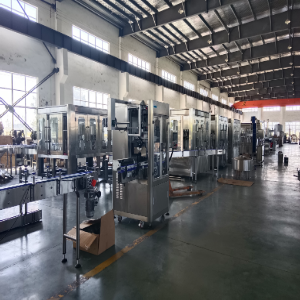
“Our promise to our customers is not that one machine can run water on a Monday, then aseptic dairy on the following Tuesday—the physics will not work without serious specification trade-offs that will hit you in a product recall six months down the road. Our promise is that we can design out equivalent components to a modular frame so that the rinser, capper, conveyor and CIP loop all carry across six of the seven beverage segments. The module that doesn’t is the fill head and temperature loop. That’s the true story of multi-liquid platform engineering.”
— Mass Technology Engineering Team
— Mass Technology Engineering Team
Platform IP Filings
Two recent industry IP filings reflect where the platform engineering frontier is moving. USPTO patent WO2023158764A1 (2023) describes an automated beverage pouring and mixing device — the trajectory toward higher-precision multi-liquid handling at the fill head. US20240341328A1 (2024) covers filling for functional-component beverages in spray containers — the new constraint added by functional and nutraceutical beverage growth. Mass tracks both trajectories: the platform’s swap-module architecture is designed to accommodate adjacent liquid categories without rebuilding the frame.
Evaluation Matrix
Mass 3-Tier Supplier Decision Matrix How to Compare Beverage Filling Suppliers
Procurement teams sourcing beverage filling equipment tend to present three levels of supplier quotes: tier-1 European OEM (Sidel, Krones, KHS, Bosch, etc.) ; tier-2 North American (Accutek, Cozzoli, Fogg, Filamatic, etc.); and tier-3 Chinese specialist (Mass, Reliable, King-Machine, etc., and their peers). The temptation is to compare quotes on line price only. This is the consistent mistake industry buyers cite – even Chinese suppliers will publicly concur that lowest line price rarely indicates lowest total cost of owner ship.
The matrix below is designed around the seven decision criteria that actually influence 5-year line economics. Mass resides in the tier-3 column by both geography and price, but engineers competitively against tier-1 EU on after-sales SLA quantification, and Tier-2 US on product portfolio breadth.
[Data] 7-Point Evaluation Dimensions
| Decision Dimension | Tier-1 European OEM | Tier-2 North American | Tier-3 China Specialist (Mass position) |
|---|---|---|---|
| Unit price (25,000 BPH water line) | Baseline (100%) | ≈60–80% of T1 | ≈40–60% of T1 |
| Standard lead time | 8–14 months | 4–8 months | 60–90 days |
| MOQ | Complete combiblock minimum | Single machine acceptable | Single machine through full line |
| One-stop integration | Combi/Super Combi (in-house) | Partial; conveyor often subbed | End-to-end in-house (Mass) |
| After-sales response SLA | Regional centers, response often 48–72 hr | US-region 24 hr, overseas 5+ days | Mass: 24 hr response (global) |
| Spare parts global delivery | 2–6 weeks (DDP from EU) | 1–3 weeks (DDP from US) | Mass: 5 working days (intl courier) |
| Multi-language documentation & service | EN + 1–2 EU langs | EN only typical | EN + Mandarin + targeted destination |
[Analysis] Strategic Conclusion
Where Mass concedes ground: tier-1 OEMs have structural advantages in installed-base familiarity, and in pre-validated Combi/Super Combi system integration that took thirty years to harvest; while Mass is not lowest-headline-price among Chinese suppliers either – the engineering depth and after-sales SLA quantification cost capital non-price-pursuing suppliers do not make. The honest comparison framework places Mass not as always cheapest, but as best for buyers who need after-sales SLA quantification and turnkey integration above rock-bottom unit price or Tier-1 brand familiarity.
NODE-01
Southeast Asia 12+ CTY
Most-Deployed Lines
5-gallon HOD, sachet water, juice hot-fill
Capacity Class
2k–12k BPH
NODE-02
Middle East & North Africa 10+ CTY
Most-Deployed Lines
PET water, CSD, juice
Capacity Class
6k–24k BPH
NODE-03
Sub-Saharan Africa 14+ CTY
Most-Deployed Lines
Sachet water, 5-gallon, small PET
Capacity Class
2k–12k BPH
NODE-04
Latin America 9+ CTY
Most-Deployed Lines
CSD, PET water, juice
Capacity Class
6k–24k BPH
NODE-05
CIS & Eastern Europe 8+ CTY
Most-Deployed Lines
Glass beer, wine, vinegar
Capacity Class
3k–18k BPH
NODE-06
Western Europe & Oceania 7+ CTY
Most-Deployed Lines
Craft beer, premium juice, RTD
Capacity Class
2k–12k BPH
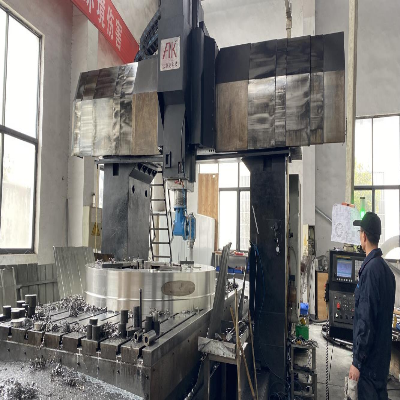
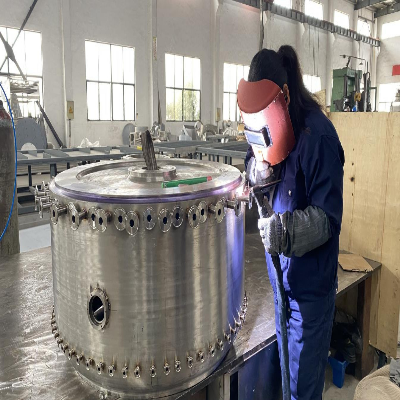
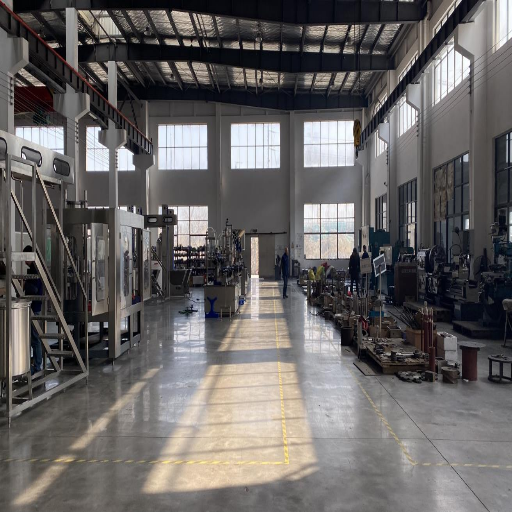
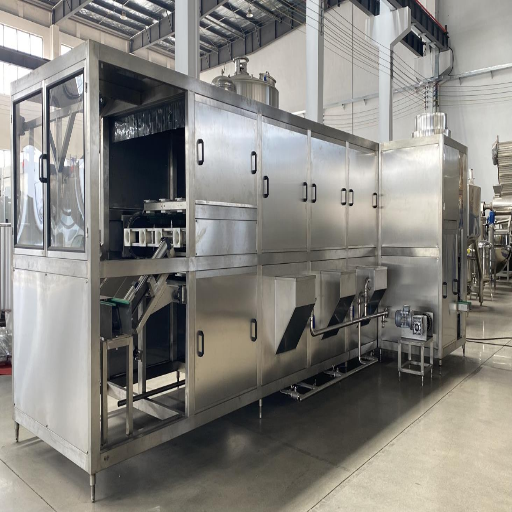
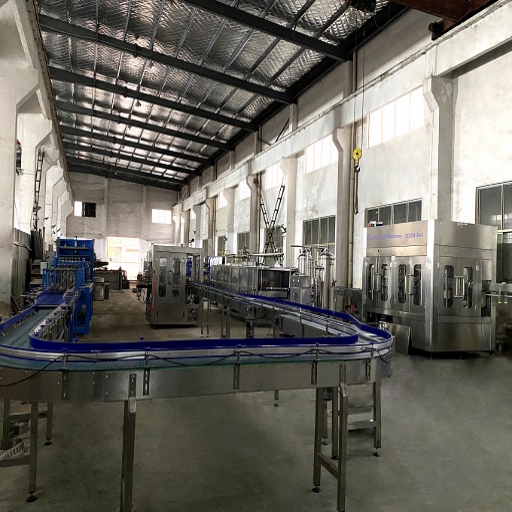
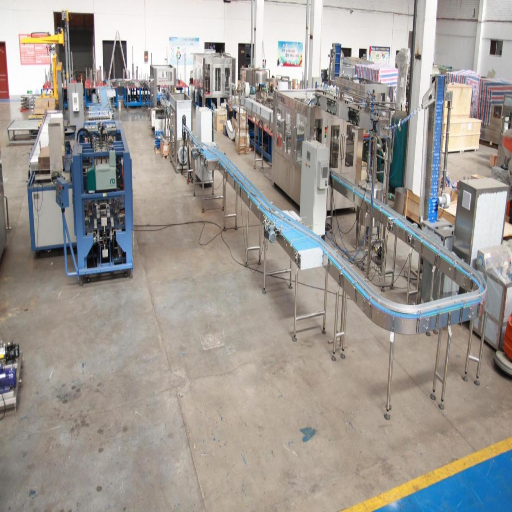
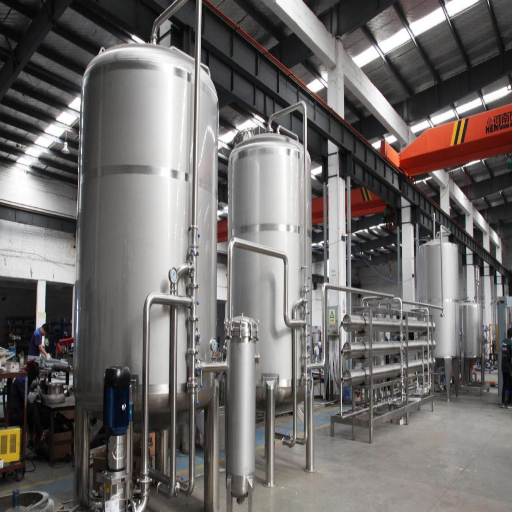
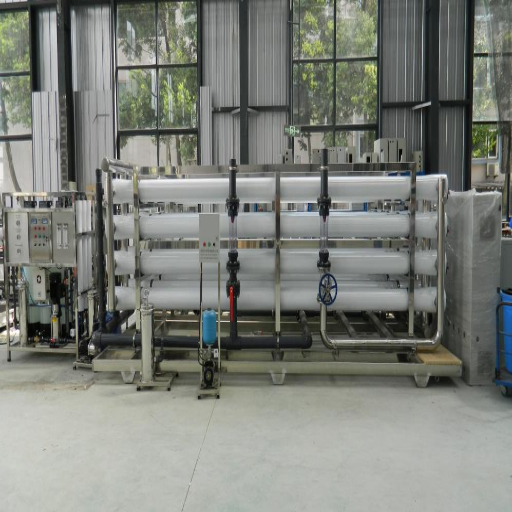
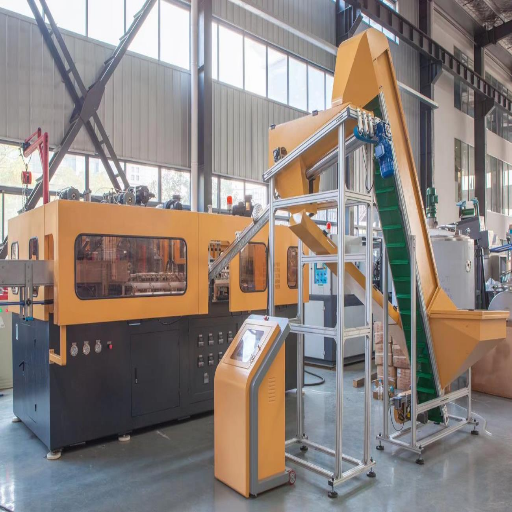
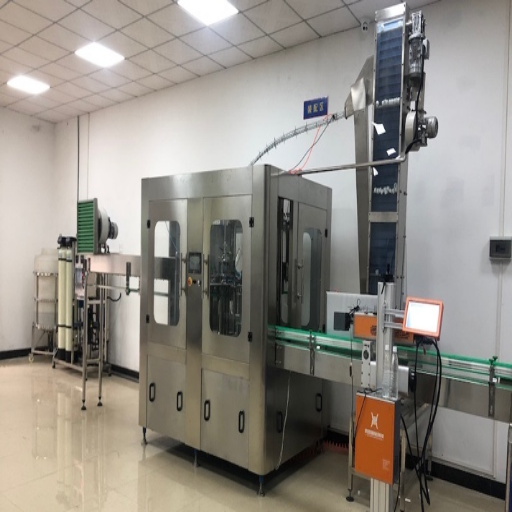
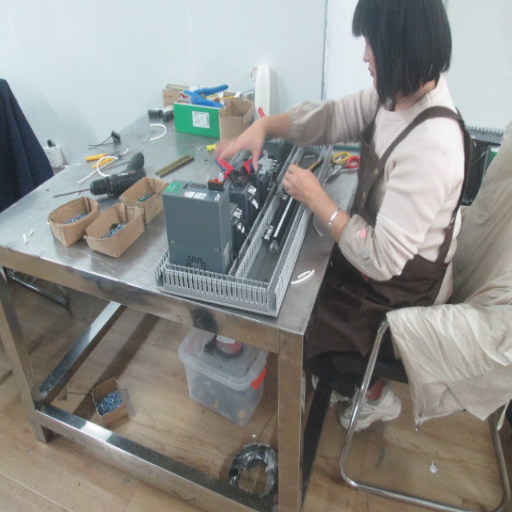
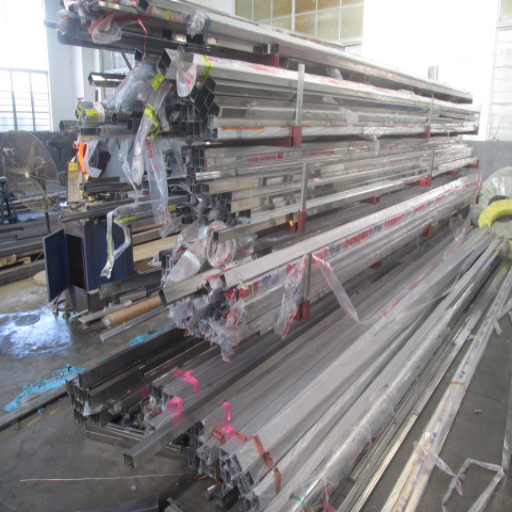
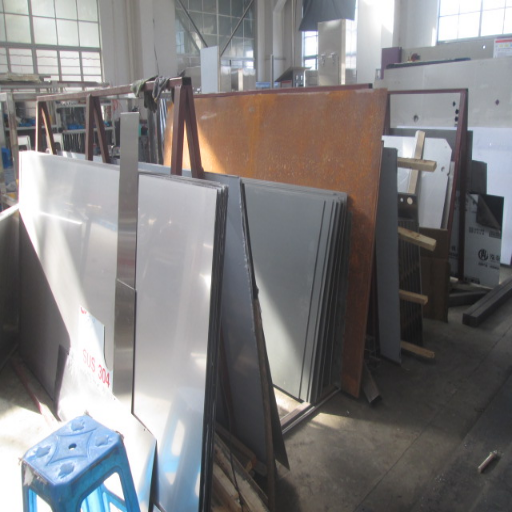
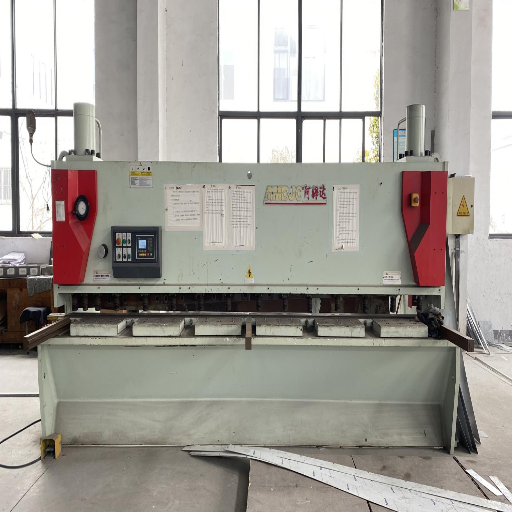
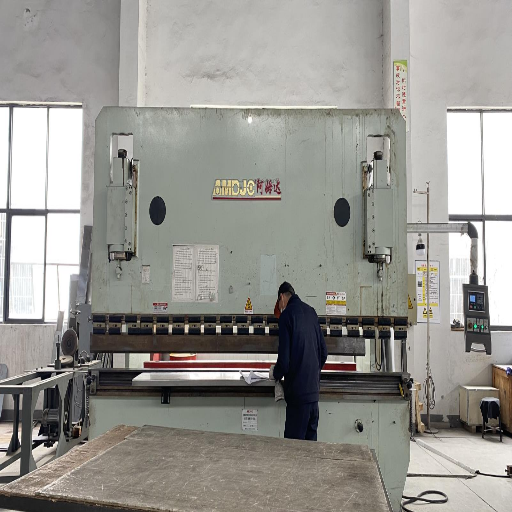
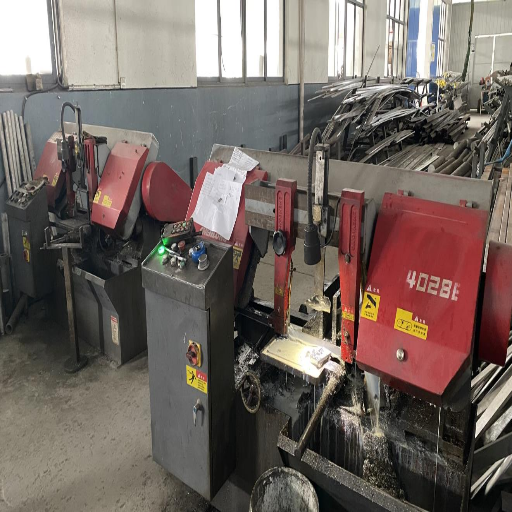
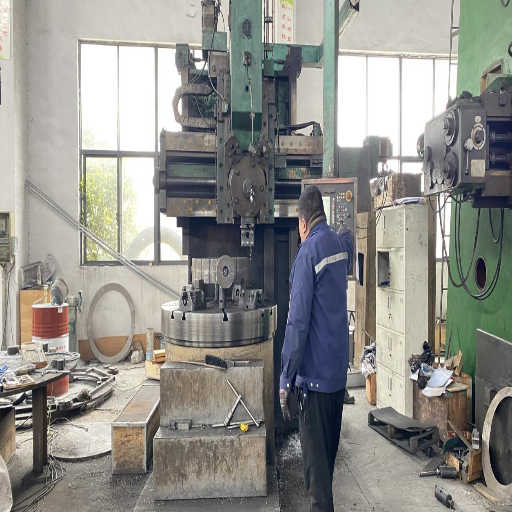
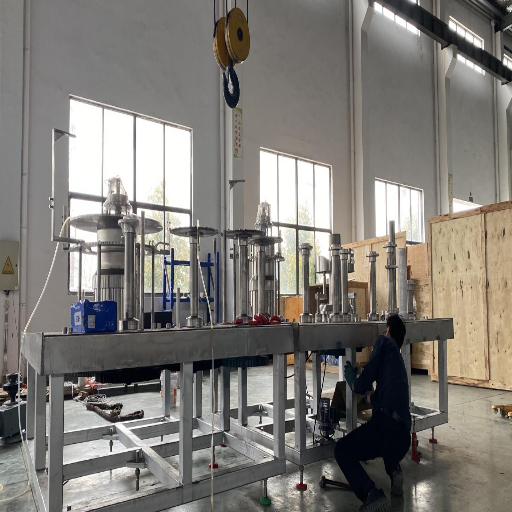
Beverage Filling Machine Manufacturing Facility
Explore our state-of-the-art intelligent workshops and high-precision CNC machining equipment.
F-01
F-02
F-03
F-04
F-05
F-06
F-07
F-08
M-01
M-02
M-03
M-04
M-05
M-06
M-07
M-08
Standards, Certifications & Compliance Stack
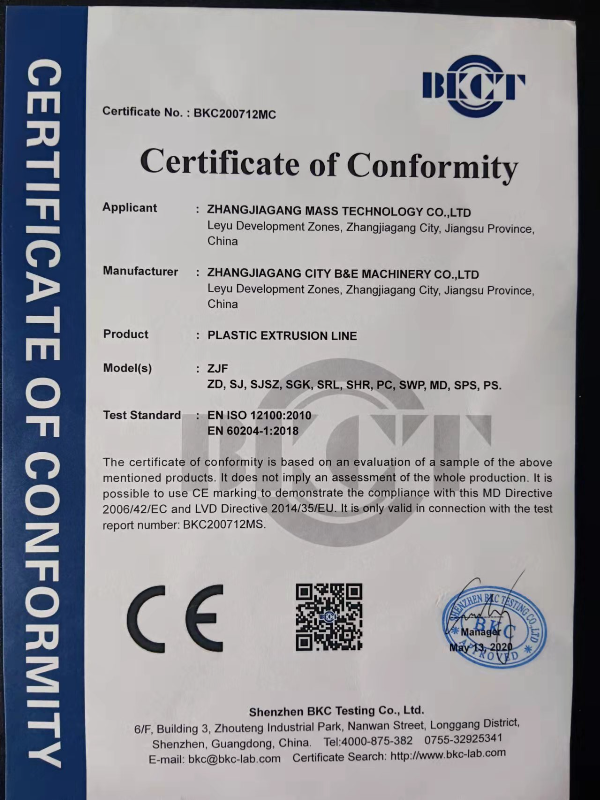
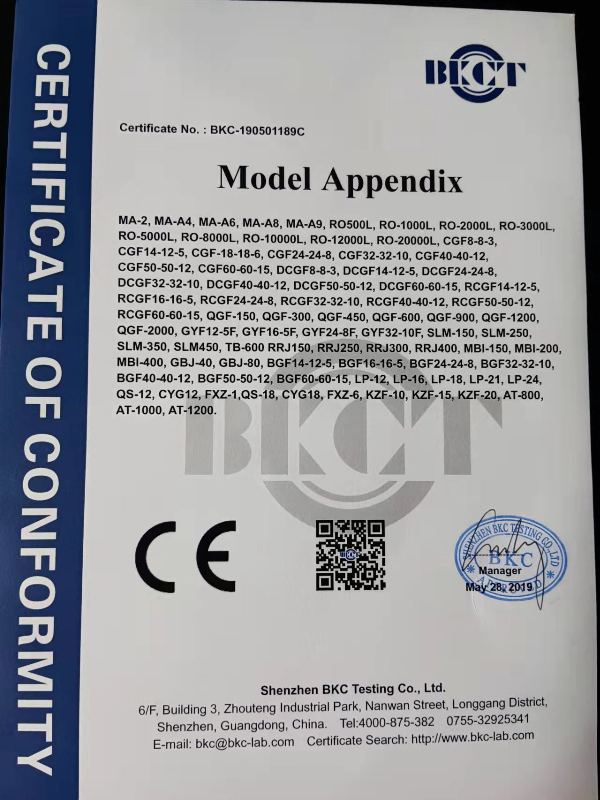
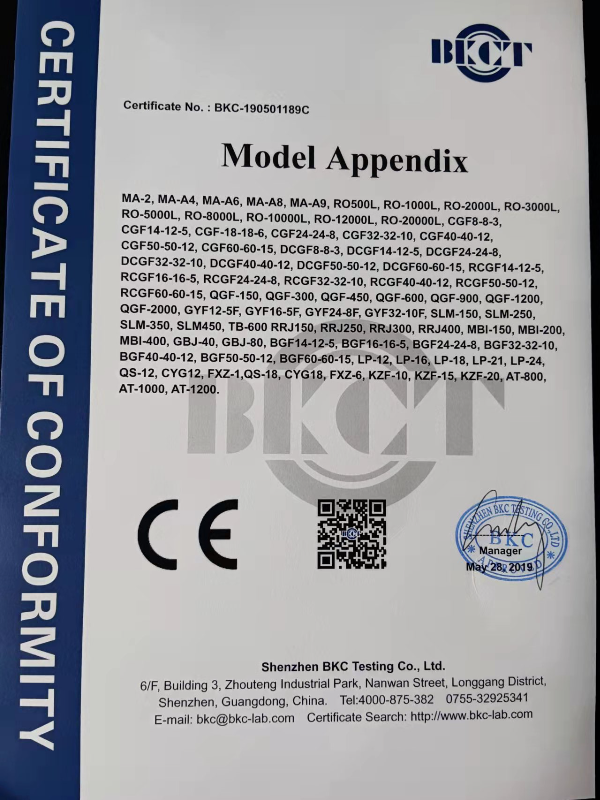
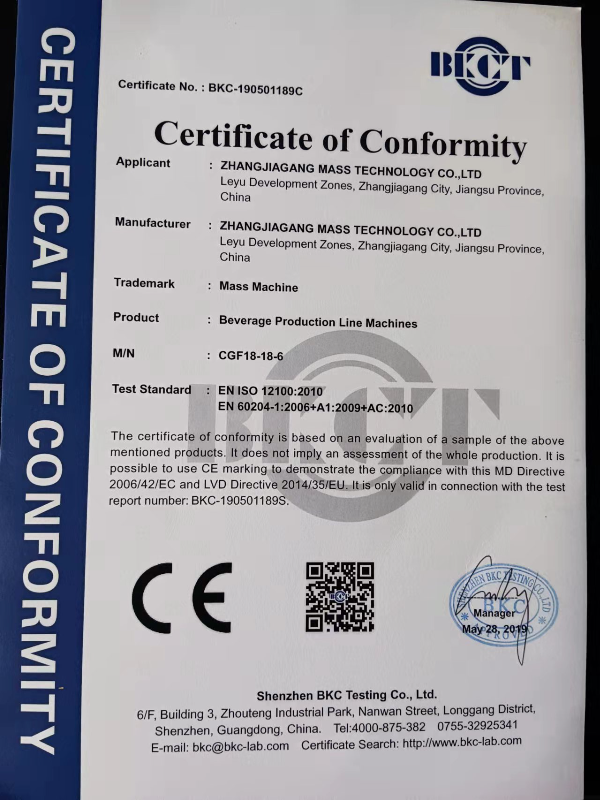
While most Chinese beverage filling machine builders cite "food grade" without reference to applicable standards, Mass complies to a documented stack of international reliability standards on behalf of our customers.
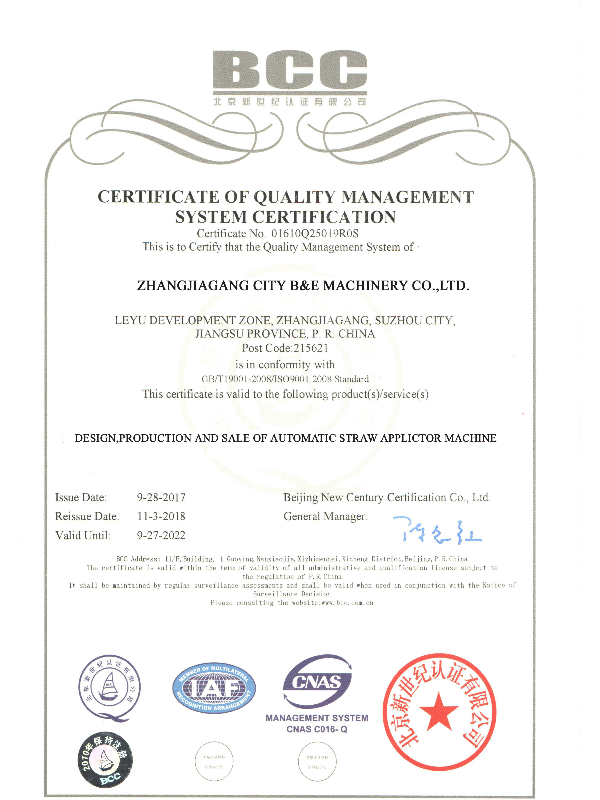
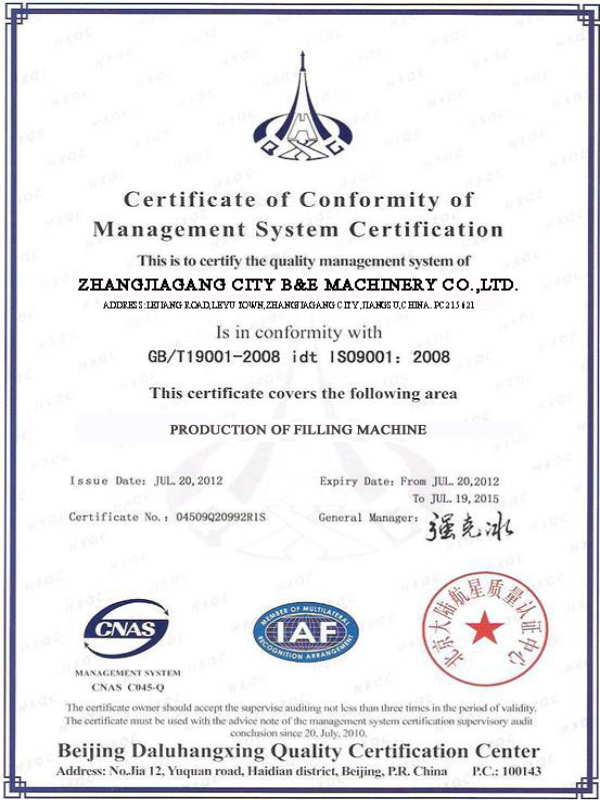
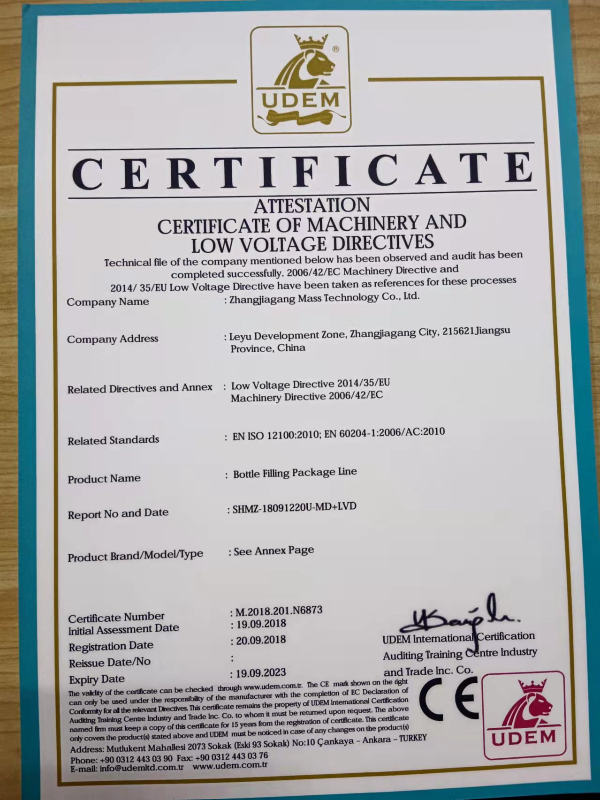
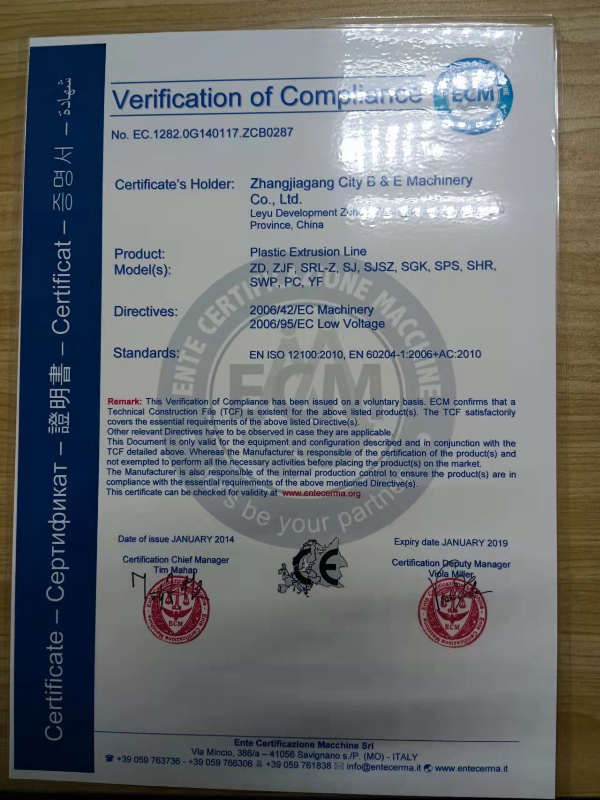
ISO 9001:2015
Quality management system audited annually; full traceability from raw material to FAT.
CE Marking
EU Machinery Directive 2006/42/EC compliance; required for European market entry.
FDA 21 CFR
Food-contact materials (304 / 316L stainless steel + food-grade seals) verified per US FDA.
3-A Sanitary 818-07
Sanitary standards for fillers serving regulated beverage and dairy categories.
RoHS
EU restriction of hazardous substances; applies to electrical control systems and wiring.
EHEDG (project basis)
European hygienic engineering design for aseptic and dairy applications, configured per project.
Our relevant standards stack maps to the multi-liquid platform: hygienic design of handoff zones at the rinser-filler-capper monoblock is governed by 3-A Sanitary; food-contact metal selection is under FDA 21 CFR; control system electrical safety under CE/RoHs, and quality system under ISO 9001:2015. Audit documentation is included with each project upload as part of the FAT package.
Procurement Guide — Lead Time, Pricing Tiers, After-Sales
The hardest part of a beverage filling line purchase is not the quote — it is the 5–10 year support continuity that emerges only after commissioning. Procurement teams consistently report that initial RFQ specifications cannot validate vendor reliability; real risk surfaces from after-sales response, spare parts logistics, and service continuity, none of which appear in the first quote. Mass quantifies these dimensions explicitly so buyers can compare apples to apples across Tier-1, Tier-2, and Tier-3 supplier proposals.
3-Tier Capacity Pricing Framework
Beverage filling line pricing is driven by capacity class, container format, liquid type, and the scope of bottling line integration (single machine vs. complete turnkey line). Rather than publishing a single misleading number, Mass groups indicative FOB pricing into three capacity tiers — exact figures are project-specific and depend on the eleven RFQ data points that MotivaPAC's industry buyer guide enumerates (liquid behavior, bottle material, closure type, target capacity, factory layout, destination country, and more).
Tier 1 — Craft / Regional
2,000–6,000 BPH
Scope: Single-liquid, single-container line; rinser-filler-capper monoblock + basic conveyor
LT: 45–75 days from PO
Tier 2 — Mid-Volume
6,000–18,000 BPH
Scope: Multi-liquid swap-capable line; integrated CIP, blower, labeler
LT: 75–105 days from PO
Tier 3 — High-Volume Industrial
18,000–36,000 BPH
Scope: Combiblock blowing-filling-capping; full upstream water treatment + downstream packaging
LT: 90–150 days from PO
4-Layer MassTechX After-Sales Service Stack
SLA Stack · Silver Tier
The MassTechX 24-Hour Response Service Stack
01
Layer 1 2-Year Warranty
Parts and sleeves covered for 2 years from party acceptance signoff. Operators responsible for physical feedings, bungs, and cans. Wear parts (fill tip, other elastomeric parts) associated with flow every specified interval are included; Consumables are defined by each C.I.P. header operator manual.
02
Layer 2 24-Hour Engineer phoneLine
Technical hotline trained by application engineers, experienced as if you were talking to field team with direct send-off to vendor. Response time is from ticket registration to contact with tech making Port.
03
Layer 3 5-Working-Day Express Parts
Spare parts inventory managed across projects (see H2-2) to remove long tail risk associated with spare parts selection. Operator manuals share strategy document.
04
Layer 4 Co-dependant technical advice
After warranty, Mass engineers contacted for line-upgrade, production capacity expansion, and SKU-changeover advice at no additional charge.
Mass One-Stop Service Flow
In search of a project-specific lead time assessment?
Consult our 3-step Lead Time prediction Converter
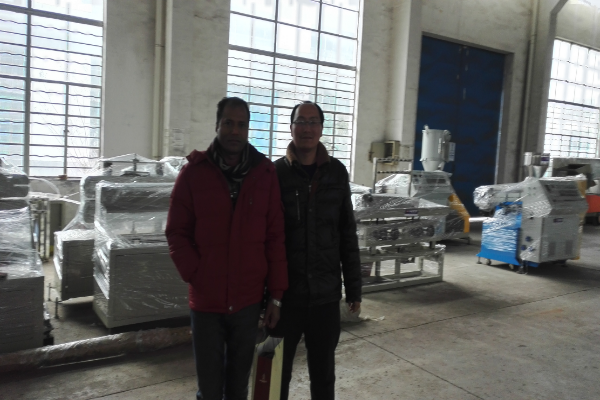
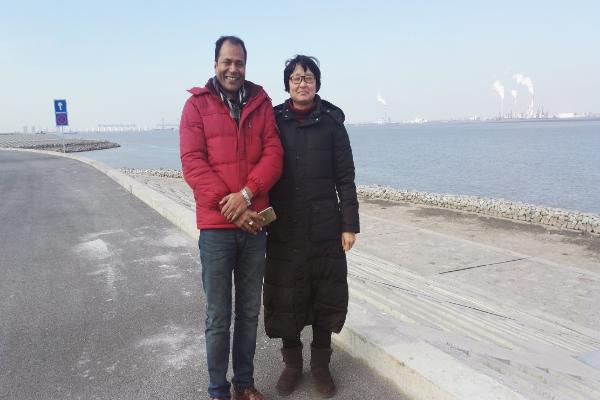
Worldwide Beverage Filling Projects & Exhibitions

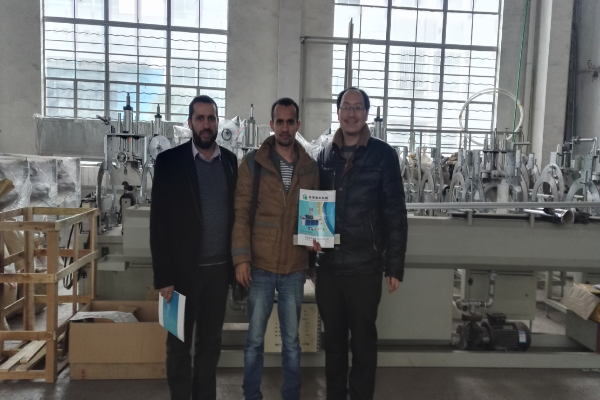

Frequently Asked Questions — Procurement & Technical
Q1. Can one filling line run both water and carbonated drinks?
Yes, with additional module. In the same CIP cycle, a module swap and purchase changes time from 180 to 240 minutes. In the shared CIP loop, a module added/adds and a swap-substitutions time from about 30-60 minutes each. The shared rinser, capper, conveyor, and CIP loop bridge between water, CSD, juice, beer, wine, and vinegar - and require only one sharable CIP step. The fill head/CO 2 dosing module/precooler container addition truly constitute a new dimension in modular flexibility. Mass's Multi-liquid Compatibility Map (see H2-3 section above) documents exactly what module swaps for water, CSD, juice, and beer - and what is shared. For liquids other than water and beer, users need to consider a purpose-built single-liquid line; for three or more liquids, the modular platform can deliver a positive return on investment.
Q2. What capacity range fits 5,000–50,000 bottles per day output?
A 5,000 bottles/day (8hr single-shift assumption) throughput results in roughly 625 BPH average - less than half the 2,000 BPH minimum-for-including even Mass's Tier 1 Craft line. Semi-automatic configurations are likely a more appropriate consideration at this volume. At 50,000 bottles/day (single-shift), we get an effective 6,250 BPH, making this a Mass Tier 2 line (6,000-18,000 BPH). The exact placement between that and Tier 3 depends on the number of shifts, planned utilization, future expansion capabilities, and SKU changeover cycle time.
Q3. How long does a complete bottling line take from PO to commissioning?
Tier 1 lines (Craft / Regional, 2,000-6,000 BPH single-liquid) can be commissioned within 45-75 days from purchase order for standard scope. Tier 2 (6,000-18,000 BPH multi-liquid swap) is 75-105 days. Tier 3 (18,000-36,000 BPH industrial combiblock featuring upstream water treatment and downstream packaging) is 90-150 days. Lead time is dictated by container arrangement complexity, multi-liquid module count, custom arrangement requirement, and destination country electrical specification documentation - not by Mass's production queue. Compared to the 8-14 month lead time of European Tier 1 OEMs, Mass's lead time is structurally lower due to the commonality of the component parts catalog across product segments.
Q4. Do you provide plant layout design before purchase?
Yes. Plant layout design is Stage 1 of Mass's five-stage commitment and is not charged into custom scope. Mass design engineers work from the customer-generated specifications for dimensions, ceiling height, utility access points, and desired work sequence, and create a printable machine room layout drawing highlighting equipment placement, conveyor paths, CIP loop, utility connections, and operator flows. The factory layout drawing is then the agreed reference for installation. Buyer guides validate that factory layout data is one of the eleven RFQ critical data points and that vendors who fail to produce this drawing sometimes face execution troubleshooting delays.
Q5. What payment terms and Incoterms do you accept?
Mass operates on a 30% T/T safety measure at signing, 65% T/T representing the bill of lading copy, and 5% T/T following FAT acceptance. An irrevocable, at-sight letter of credit (issued by a reliable banking institution) can be accepted for high-volume projects, with appropriate conditions applied to defray L/C processing fees. Incoterms are reliably delivered FOB Shanghai, CIF discharge port, and DDP around suitable regions (buffered by the destination nation agreement for customs support). Third-party equipment leasing options can be added for qualifying buyers by project.
Q6. How is after-sales support handled overseas?
Mass's 24-hour technician response SLA is global - the support technician covering your project speaks English (and when configured, the destination-region language) and is contactable by text, call, or video link. Replacement parts will arrive by global courier (DHL, FedEx, UPS) in 5 business days from order, with Mass managing all freight and customs documentation. For built-to-order items in destinations where required on-site technician dispatch (for example to screen a complex combiblock before handover), Mass dispatches the technicians for one day interval. For less demanding maintenance or troubleshooting, the customer's local delivery technician will help guide the remote technician on a 48-hour basis.
Q7. Do you train our operators? Where?
Operator training is part of our normal scope of work. We offer two training experiences: 1) on-site, concurrent with installation & commissioning days, where Mass engineers introduce the platform for operators from startup instructions to CIP, changeover, emergency stop; and 2) optionally, 1-2 weeks at our Zhangjiagang factory for customer engineers to see the same line in FAT prior to shipment. We provide operator manuals, maintenance schedules, troubleshooting diagrams, replacement parts catalog in English (other languages are available on request).
Q8. Can Mass machines integrate with existing labeling or packaging equipment?
Yes, in most cases. Our lines use common industrial interfaces (line-handoffs at flow rate, electronic protocols, bottle pitch registration, etc) so a Mass filling line can index into an existing third-party labeler, shrink-pack, palletizer. The integration effort is determined by Design of Experiments stage 1 plant layout planning - we review the existing third-party equipment specifications and design 'line-endpoint' to match the new upstream line. The only requirement is compatibility of the downstream bottle profile; if the third-party downstream equipment was designed around a certain bottle profile, the upstream specialty line can't change that profile.